How to Properly Preserve Evidence After an Injury Caused by a Consumer Product
Your natural reaction after you’re injured by a defective product is to clean up, dispose of the broken product, and try to forget the whole ordeal. Unfortunately, that is likely to hurt any potential lawsuit you might bring. Product liability cases turn on the physical evidence, and defendants who destroy that evidence do so at their own peril. The time to preserve evidence is also very short, and it often expires before you even know you have a case.
Secure the Product Before You Do Anything Else
Don’t touch it more than necessary. Don’t clean it. Don’t try to fix it to see what went wrong. Put the product, every component, every fragment, and all original packaging into a sealed bag or box and store it somewhere it won’t be disturbed.
This sounds obvious, but people violate it constantly. Someone’s blender blade breaks and cuts their hand, they rinse the blender off before putting it away. A faulty space heater starts a fire and the charred unit gets tossed during clean-up. A child’s toy breaks and the small pieces get swept up. Each of these is a case quietly falling apart.
The legal principle at work here is called spoliation of evidence. If evidence is destroyed, even accidentally, even by the injured person, the opposing side can argue your case should be dismissed or that the jury should assume the missing evidence hurt you. Courts take this seriously. The burden falls on you to preserve what you have.
If the product has multiple parts, bag them separately and label them. Note which pieces were connected and how. An expert witness, typically an engineer retained to examine the product, can only work with what you give them.
Don’t Talk to the Manufacturer’s Insurance Company Alone
Following an injury due to a product, the manufacturer’s insurer might contact you fast, often within a few days. They don’t have good intentions. They want to get a recording from you before you’ve had good advice, and they could offer to take back the product so they can check it themselves.
Don’t let them have the product. Don’t give them a recording. A skilled product liability lawyer needs to manage the discussions with the business and its insurance firms, whatever you tell them without proper advice can be used to reinterpret the situation as the fault of the user or restrict the compensatory damages you qualify for.
The rule of strict liability, used for the majority of product defect lawsuits, does not require you to show that the manufacturer acted irresponsibly. It requires you to prove that the product was defective and caused your injury. If you hand over your only physical piece of evidence, you lose the ability to do so.
Document Everything Before the Scene Changes
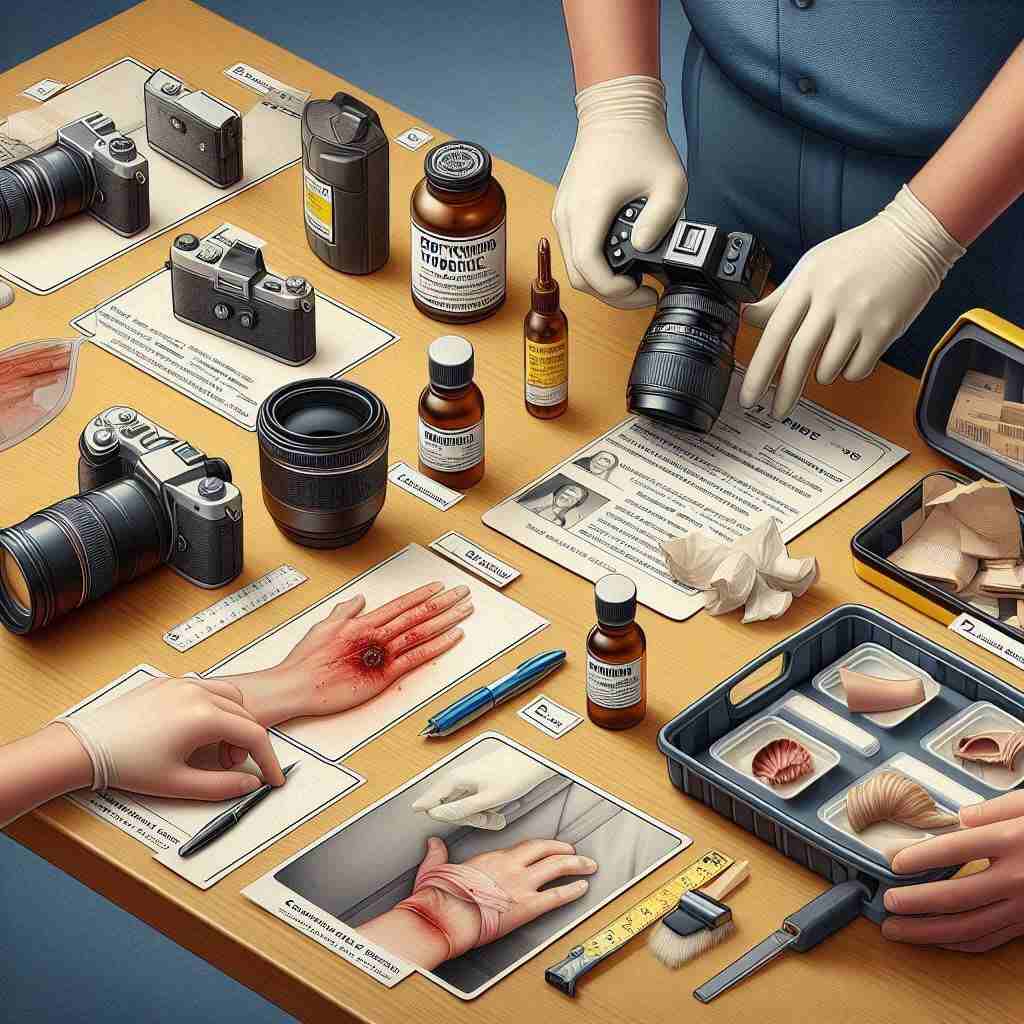
Take pictures and videos of the product, its surroundings, and any injuries before you do anything else. Photograph or video your injuries immediately, then again at 24 hours and 72 hours as bruising and swelling develop. The “visual timeline” can become important if the defendant’s attorney tries to argue your injuries were pre-existing or minor.
Build the Paper Trail Immediately
Gather the receipt, the order confirmation, the product registration, the instruction manual, and the original box. These prove you bought and used the item and that it arrived with no one tampering with it along the way.
To prove a manufacturing defect, you must prove that the product departed from its intended design. This is done through evidence that the product was used as intended, but still failed in a way that couldn’t have happened had it been built properly.
To prove a design defect, you must prove that the plans themselves were unreasonably dangerous in a way unforeseen by you. A court will analyze what the product is used for and whether the added risks outweigh the benefits of the design. To prove a failure-to-warn claim, you have to show that neither the manual nor the warning labels alerted you to the danger.
Your documentation will back up one of these claims and you won’t know which one your evidence supports until a lawyer (as previously mentioned) and an expert evaluate your case. Keep all of the above on the cloud. Scan receipts, upload photos.
Get Medical Care and Make Sure the Records Reflect What Happened
Try to see an emergency room or urgent care doctor on the day of the incident, or at least within a day or two. This isn’t always possible because not all injuries are immediately visible, but treating right away is much better for both health and evidence. If you can’t, go as soon as you realize you’re hurt. Let the doctor know you were injured when a product failed.
The sooner you get a doctor to write that down, the more credible it is. If you wait two weeks and then finally go to an urgent care center, with no prior medical history, the insurance company’s lawyer will try to argue that you must have hurt yourself jogging or doing something else later. Don’t give him that opportunity.