
Pulsed Signal Therapy (PST): A Comprehensive Scientific Review
Introduction
Musculoskeletal disorders, especially degenerative joint diseases like osteoarthritis, are among the leading causes of chronic pain and disability worldwide. Conventional treatments—such as analgesics, anti-inflammatory drugs, physical therapy, and surgery—are often limited by side effects, incomplete symptom relief, or high costs. As a result, non-invasive and adjunctive therapies have gained increasing attention.
Pulsed Signal Therapy (PST) belongs to a broader category of treatments known as pulsed electromagnetic field (PEMF) therapies. PST is marketed as a specialized and proprietary form of PEMF designed to mimic physiological electromagnetic signals naturally present in healthy joints. Advocates claim that PST can reduce pain, improve mobility, and stimulate tissue regeneration without pharmacological intervention or surgery.

Despite its growing popularity in some regions, PST remains controversial within mainstream medicine. This article aims to present a balanced, research-driven overview to help readers understand what PST is, how it works, and what the current scientific evidence actually supports.
Historical Background and Development
The therapeutic use of electromagnetic fields in medicine dates back several decades. In the 1970s, researchers began exploring electromagnetic stimulation for bone healing, particularly in cases of delayed union and non-union fractures. These early studies demonstrated that low-frequency electromagnetic fields could influence cellular activity involved in bone regeneration.
Pulsed Signal Therapy emerged in the 1990s as a patented variation of PEMF therapy. It was developed with the specific aim of treating degenerative joint conditions, especially osteoarthritis. The developers of PST argued that conventional PEMF systems used fixed frequencies and amplitudes, whereas biological systems respond better to complex, variable signals. PST devices were therefore designed to emit constantly changing pulse patterns, allegedly closer to natural physiological signals.
Since its introduction, PST has been offered in specialized clinics and rehabilitation centers, particularly in parts of Europe. However, its adoption into standard medical practice has been limited due to ongoing questions regarding clinical efficacy and cost-effectiveness.
Physical Principles of Pulsed Signal Therapy
PST is based on fundamental principles of electromagnetism. When an electric current passes through a coil, it generates a magnetic field. If this current is pulsed rather than continuous, the resulting magnetic field changes over time. According to electromagnetic induction laws, a changing magnetic field induces weak electrical currents in nearby conductive materials—including biological tissues.
Key Physical Characteristics
- Low-frequency electromagnetic fields: PST typically operates in the low-frequency range (commonly between 1 and 30 Hz).
- Low intensity: Field strengths are usually in the millitesla or microtesla range, far below levels associated with tissue heating or ionizing radiation.
- Pulsed and variable signals: Unlike static or sinusoidal fields, PST uses complex, time-varying pulse patterns.
These induced electrical signals are extremely weak, but proponents argue that they are sufficient to influence cellular signaling pathways without causing damage.
Proposed Biological Mechanisms of Action
The biological rationale behind PST is rooted in the concept of bioelectromagnetics—the study of how electromagnetic fields interact with living systems.
Cellular Electrostimulation
Cells communicate not only through chemical signals but also via electrical and electrochemical gradients. Cartilage cells (chondrocytes), bone cells (osteoblasts and osteoclasts), and fibroblasts are particularly sensitive to mechanical and electrical stimuli.
PST is proposed to:
- Modulate ion channels in cell membranes
- Influence calcium signaling pathways
- Alter membrane potential and intracellular signaling cascades
Cartilage and Joint Effects
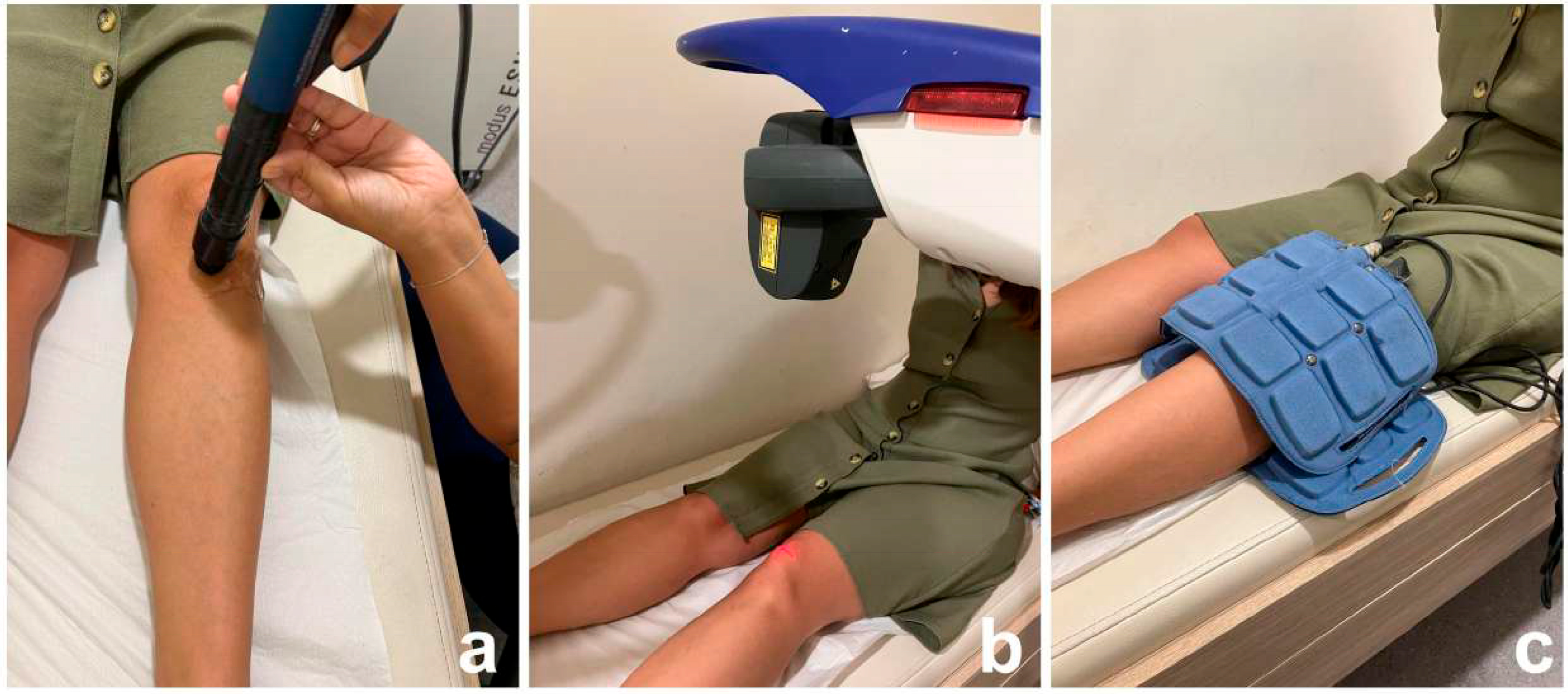
Articular cartilage has very limited self-healing capacity due to its avascular nature. PST proponents suggest that electromagnetic stimulation may:
- Increase proteoglycan synthesis
- Enhance extracellular matrix production
- Reduce inflammatory mediator activity
These effects, if clinically significant, could theoretically slow cartilage degeneration and reduce joint pain.
Anti-inflammatory and Analgesic Effects
Some experimental studies indicate that pulsed electromagnetic fields may modulate inflammatory cytokines and improve local microcirculation. This could partially explain reported pain reduction in certain patients, even without structural tissue regeneration.
It is important to note that many of these mechanisms are supported primarily by in vitro or animal studies. Translating these findings into consistent clinical benefits in humans remains challenging.
Technical Implementation and Treatment Protocols
PST Devices
PST systems generally consist of:
- A control unit that generates electromagnetic pulses
- Large induction coils or applicators
- Treatment beds or chairs where the patient places the affected joint inside the coil
The therapy is non-contact and painless; patients usually feel no sensation during treatment.
Treatment Parameters
Although exact parameters vary by manufacturer, typical PST protocols include:
- Session duration: approximately 60 minutes
- Treatment course: 9–12 consecutive daily sessions
- No anesthesia or medication required
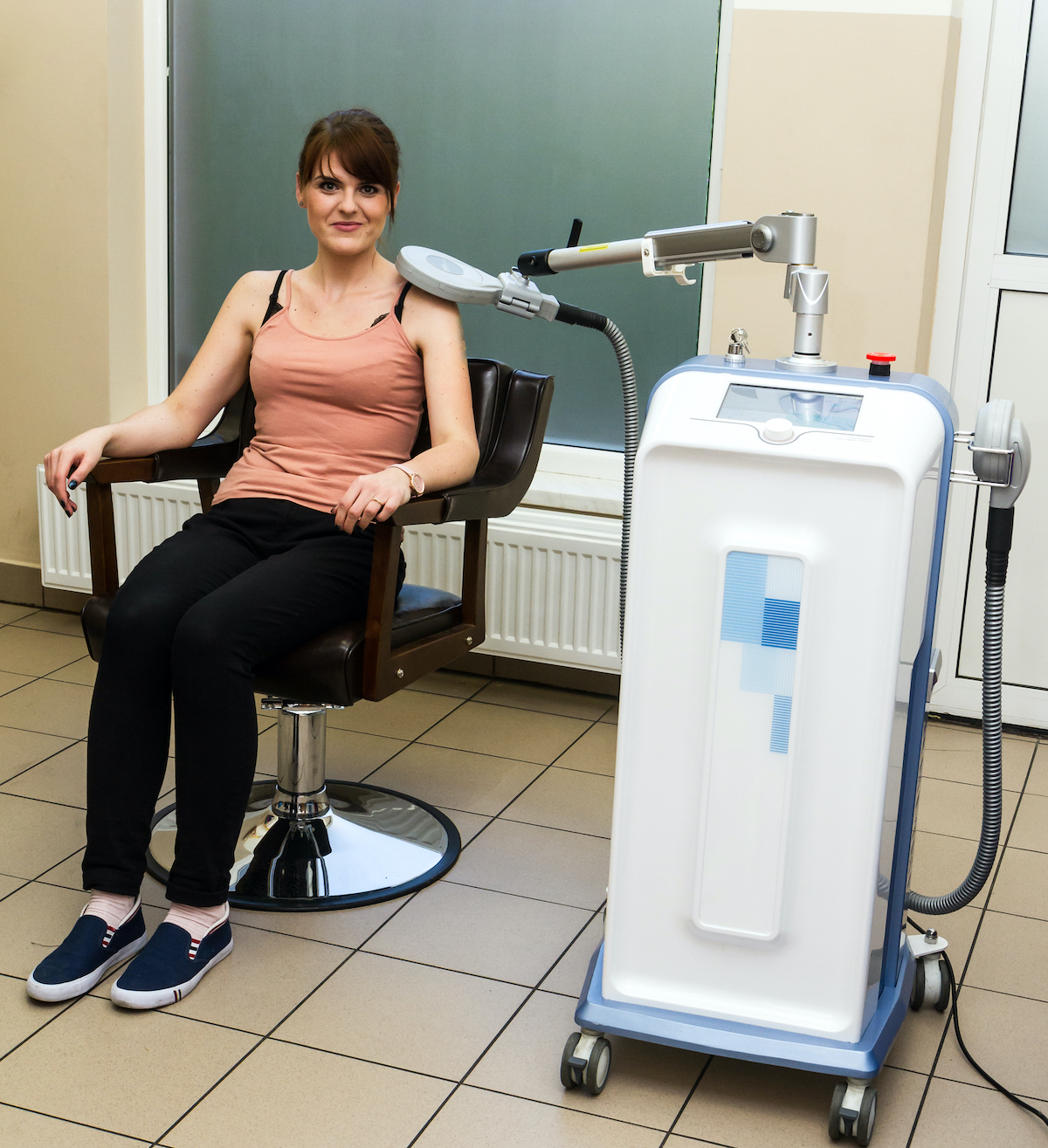
One limitation is the lack of universally standardized treatment parameters, making it difficult to compare clinical outcomes across studies.
Clinical Indications and Applications
PST has been promoted for a wide range of conditions, though the evidence strength varies considerably.
Osteoarthritis
The most common indication for PST is osteoarthritis of the knee, hip, shoulder, and spine. Reported benefits include:
- Reduction in pain intensity
- Improved joint mobility
- Decreased reliance on pain medication
Bone Healing
Within the broader PEMF field, electromagnetic stimulation has been used to support fracture healing and treat delayed unions. While this application has stronger historical evidence, PST specifically is less studied in this context.
Soft Tissue and Chronic Pain Conditions
Some clinics offer PST for:
- Tendinopathies
- Chronic back pain
- Fibromyalgia-like syndromes
These uses are largely experimental and not supported by robust clinical trials.
Review of Scientific Evidence
Randomized Controlled Trials
Several randomized controlled trials (RCTs) have investigated pulsed electromagnetic field therapies for osteoarthritis. Results are mixed:
- Some studies report statistically significant pain reduction and functional improvement compared to placebo.
- Others show no clinically meaningful difference.
For PST specifically, the number of high-quality, independent RCTs remains limited.
Systematic Reviews and Meta-Analyses
Recent systematic reviews of PEMF therapies conclude that:
- There is moderate evidence for short-term pain relief in knee osteoarthritis.
- Long-term structural benefits are unclear.
- Study heterogeneity and risk of bias limit strong conclusions.
Health technology assessment agencies in several countries have stated that evidence is insufficient to recommend routine use of PST for degenerative joint disease.
Interpretation of Evidence
Overall, the evidence suggests that PST may provide symptomatic relief for some patients, particularly in pain reduction. However:
- Effects are not universal
- Placebo responses cannot be excluded
- Disease-modifying effects have not been conclusively demonstrated
Safety Profile and Contraindications
Safety
PST is generally considered safe when used appropriately. Reported adverse effects are rare and usually mild, including:
- Temporary increase in pain
- Fatigue
- Mild discomfort
Contraindications
PST should not be used in patients with:
- Implanted electronic devices (e.g., pacemakers, defibrillators)
- Pregnancy (precautionary principle)
- Active malignancies near the treatment area
- Acute infections or bleeding disorders
Medical supervision and proper patient screening are essential.
Practical Considerations: Cost and Accessibility
PST treatments are typically offered as private services. In many healthcare systems:
- Costs are paid out-of-pocket
- Insurance coverage is limited or absent
- A full treatment course can be expensive
These factors significantly influence patient access and adoption.
Criticism and Limitations
PST faces several important criticisms:
- Lack of standardization: Variable devices and protocols
- Insufficient high-quality trials: Small sample sizes and inconsistent methodologies
- Commercial influence: Some studies are manufacturer-sponsored
- Unclear long-term benefits: Limited follow-up data
These limitations underscore the need for more rigorous, independent research.
Future Research Directions
Key areas for future investigation include:
- Large, multi-center randomized controlled trials
- Standardized treatment parameters
- Identification of patient subgroups most likely to benefit
- Objective biomarkers of tissue response
- Cost-effectiveness analyses
Advances in bioelectromagnetics and imaging may help clarify PST’s true therapeutic potential.
Conclusion
Pulsed Signal Therapy represents an intriguing, non-invasive approach to managing musculoskeletal pain and degenerative joint conditions. Its biological rationale is plausible, and some patients report meaningful symptom relief. However, current scientific evidence does not yet support PST as a universally effective or disease-modifying therapy.
Until stronger evidence is available, PST should be considered an adjunctive or experimental treatment rather than a replacement for established medical care. Clear patient education, realistic expectations, and continued research are essential for its responsible use.
FAQs
What is Pulsed Signal Therapy (PST)?
Pulsed Signal Therapy is a non-invasive treatment using low-frequency electromagnetic pulses to stimulate cells in joints and tissues, aiming to reduce pain and improve mobility naturally.
How does Pulsed Signal Therapy work?
PST works by generating pulsed electromagnetic fields that induce weak electrical signals in tissues, influencing cellular activity, improving circulation, and potentially supporting tissue repair processes.
Is Pulsed Signal Therapy the same as PEMF therapy?
PST is a specialized form of PEMF therapy. It uses variable pulse patterns designed to mimic physiological signals, while general PEMF therapies may use fixed or simpler electromagnetic frequencies.
What conditions can Pulsed Signal Therapy treat?
PST is commonly used for osteoarthritis, joint pain, cartilage degeneration, chronic musculoskeletal pain, and sometimes to support bone healing, although evidence varies by condition.
Is Pulsed Signal Therapy scientifically proven?
Scientific evidence for PST is mixed. Some studies show pain relief benefits, but overall research quality is inconsistent, and long-term disease-modifying effects are not conclusively proven.
Is Pulsed Signal Therapy safe?
PST is generally considered safe, non-invasive, and painless, with minimal side effects. Most patients feel nothing during treatment, and serious adverse reactions are rarely reported.
Who should not use Pulsed Signal Therapy?
PST is not recommended for patients with pacemakers, implanted electronic devices, during pregnancy, or in cases of active cancer, infections, or serious medical instability.
How long does a PST treatment session last?
A typical PST session lasts about 60 minutes. Treatment usually involves multiple sessions, commonly 9 to 12 consecutive treatments, depending on the protocol and condition.
Does Pulsed Signal Therapy have side effects?
Side effects are uncommon but may include temporary pain increase, mild fatigue, or discomfort after sessions. These effects are usually short-lived and resolve without intervention.
Is Pulsed Signal Therapy covered by insurance?
In most countries, PST is not covered by insurance and is considered an alternative or complementary therapy, meaning patients usually pay for treatment out of pocket.