
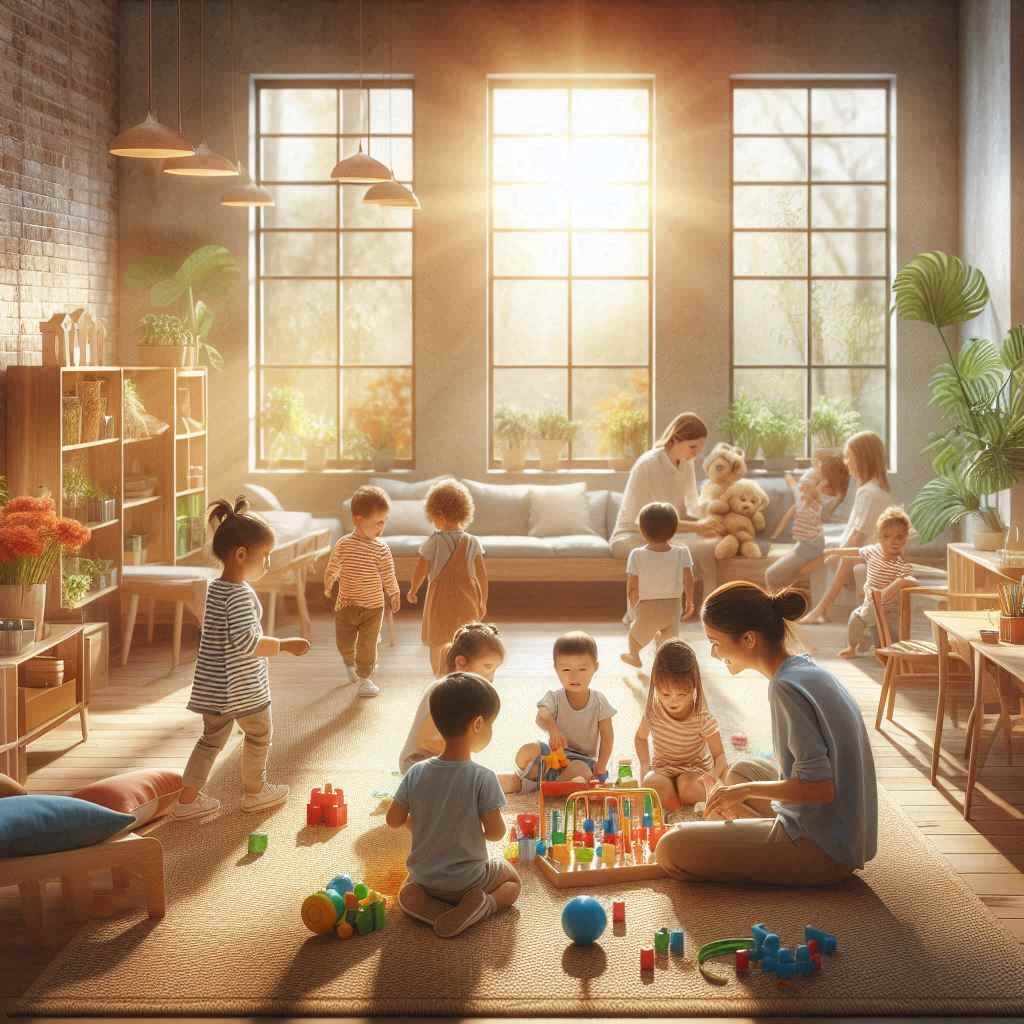
The Role of Stability in Childhood Development
Think about the feeling of walking through your front door after a chaotic, exhausting week. You drop your keys in the bowl, take off your coat, and exhale. That specific release of tension isn’t just about being indoors; it is about safety. You know this space. You know where the kettle is, you know who is likely to be there, and you know you are accepted.
For children, this sense of predictability is not just a luxury; it is the very soil in which they grow. We often focus on the big milestones: the first day of school, exam results, or learning to drive. Yet, the quiet, repetitive rhythm of daily life often does the heavy lifting in development. Stability is the silent engine of confidence.
The Foundation of Emotional Health
You might sometimes feel that your daily routine is mundane. You get them up, you make breakfast, you ask about homework, you negotiate screen time, and you do it all again the next day. However, to a developing brain, this “boring” routine is thrillingly safe.
When a child knows what to expect, their nervous system can relax. They don’t need to be on high alert, scanning the horizon for the next disruption or crisis. Instead of using their energy to survive, they can use it to thrive. They can focus on learning complex maths problems, making friends, or simply using their imagination.
For foster carers, you see this shift firsthand. A child might arrive with emotional or behavioural challenges born from a chaotic past. As you provide a consistent environment, where dinner is always at six and promises are always kept, you often see those defensive walls slowly come down. You are teaching them that adults can be trusted and that the world doesn’t have to be a scary place.
Creating a Launchpad for Independence
It seems contradictory, but the tighter the security at home, the further a child can eventually fly. Independence isn’t built on isolation; it is built on the knowledge that there is a secure base to return to.
When you offer a stable home, you are giving a child the confidence to take risks. They can try out for the football team, put their hand up in class, or make a new friend because they know that if things go wrong, you are there to catch them.
This is particularly crucial during the teenage years. Adolescents are naturally pushing boundaries and seeking their own identity. If the ground beneath them feels shaky, they often retreat or act out in fear. But if they feel part of a solid family unit, they have the emotional bandwidth to figure out who they are. You act as the anchor while they weather the storms of growing up.
The Power of Permanence
While short-term support is essential in many contexts, there is a unique strength found in enduring relationships. Children need to know that they aren’t just passing through your life. They need to feel that they belong to the furniture, that they are part of the fabric of the household.
For children who cannot return to their birth families, this sense of permanence is vital. This is the core purpose of long-term fostering, where a child lives with a committed family, usually until they reach adulthood. It allows young people to put down roots without the fear of being moved on. It gives them the chance to develop deep, trusting bonds with you, knowing that you will be there to see them through their exams, their first heartbreaks, and their transition into adulthood.
Building Identity Through Shared History
Stability allows for the creation of a shared history. When you have been with a child for a long time, you become the keeper of their memories. You remember how scared they were of the dark when they were seven, or how much they loved that specific dinosaur t-shirt.
You help them piece together their life story. For foster children, this is incredibly important. You help them maintain contact with their birth family where appropriate, and you help them understand their experiences. You are there to celebrate the achievements and record the milestones. This continuity gives a child a stronger sense of self. They aren’t just floating; they have a narrative, and you are a key character in it.
A Future-Focused Approach
Your role as a stable figure doesn’t end when a child turns eighteen. The transition to adulthood is a process, not a cliff edge. Just as you wouldn’t expect a birth child to leave home the moment they blow out the candles on their eighteenth birthday without any further support, the same applies here.
Stability means sticking around. It means being the person they can call when they are twenty-one and don’t know how to pay a utility bill, or when they just need a chat. It is about enduring relationships that last a lifetime.
By providing a calm, consistent, and loving environment, you are doing more than just housing a child. You are rewiring their expectations of the world. You are showing them that they are worthy of time, worthy of care, and worthy of a place where they can simply be themselves. That is the true power of stability.