Cat vs. Dog: Which Pet Is Right for Me? The Complete Decision Guide
You’ve been thinking about getting a pet.
Maybe you’ve spent months watching dog videos, saving photos of adorable kittens, or imagining what life would feel like with a companion waiting for you at home.
Then reality sets in.
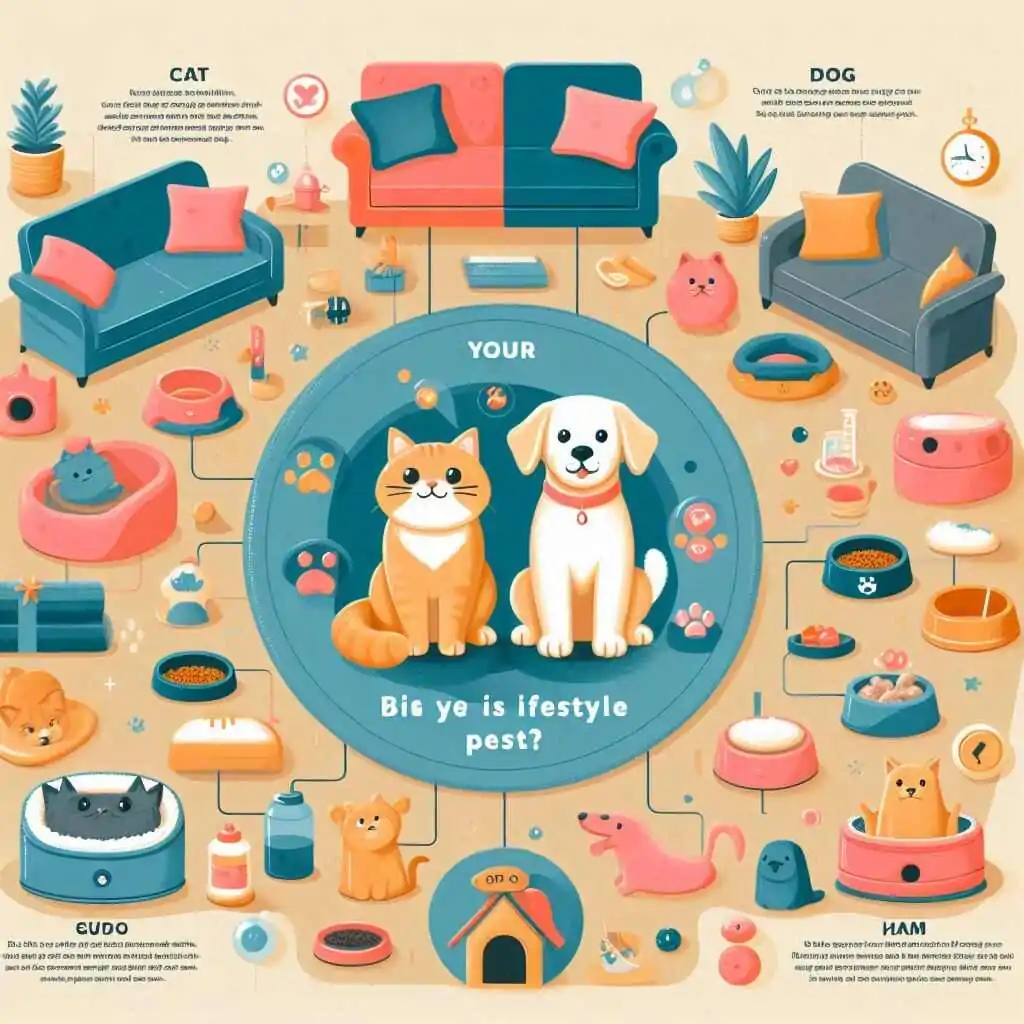
Should you get a cat or a dog?
It’s one of the most common pet ownership questions, yet it’s often answered poorly.
Most articles focus on which animal is friendlier, smarter, cheaper, or easier to care for.
That’s not the real decision.
The real decision is whether a cat or a dog fits the life you actually live.
Many people choose a pet based on emotion and spend years adapting.
The happiest pet owners usually do the opposite. They evaluate their lifestyle first and then choose the pet that naturally fits it.
This guide will help you make that decision with confidence.
Rather than telling you that cats are better than dogs or dogs are better than cats, you’ll learn how to evaluate your schedule, personality, finances, living situation, future plans, and expectations so you can choose the companion most likely to thrive with you for the next decade or more.
Cat vs. Dog: Which Pet Is Right for Me? (Quick Answer)
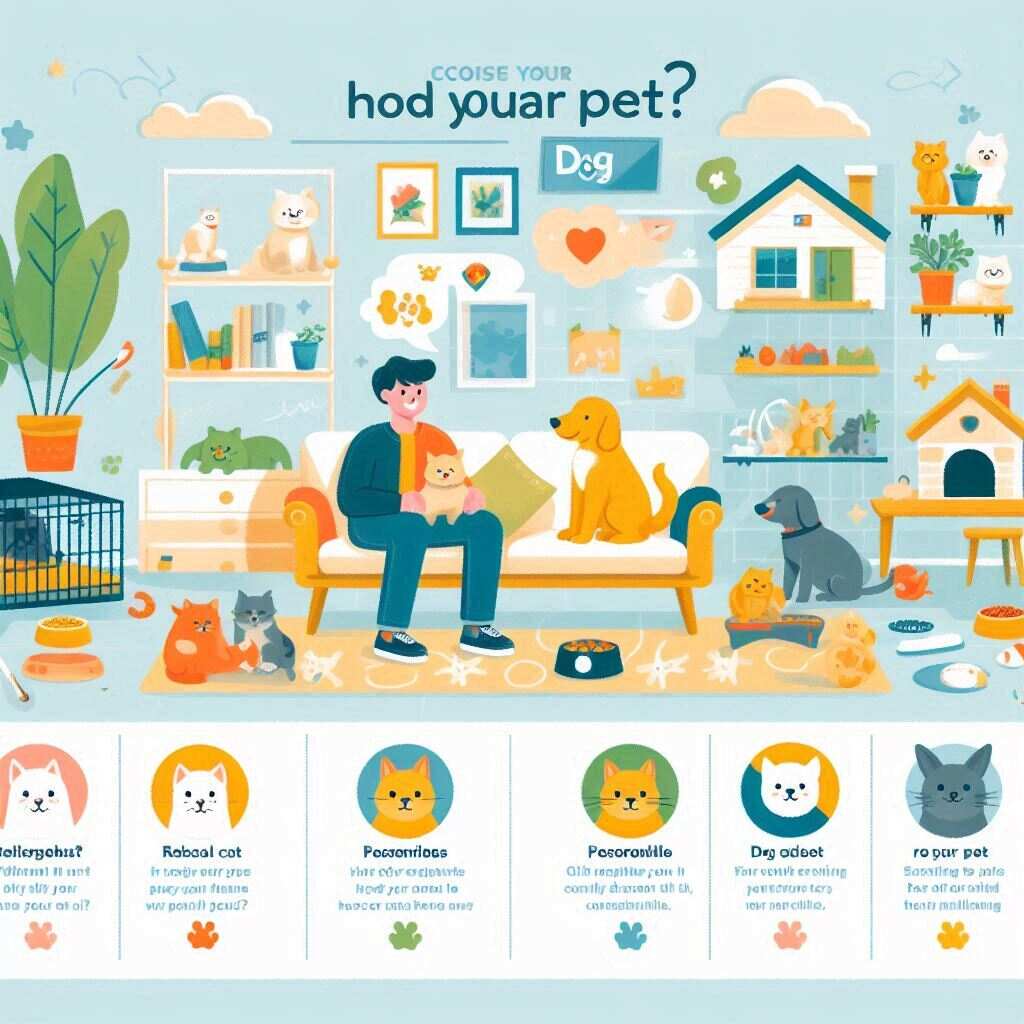
If you’re looking for the shortest possible answer, here it is:
A cat is usually the better choice if:
- You work long hours away from home.
- You live in an apartment or smaller space.
- You travel occasionally.
- You want a lower-maintenance companion.
- You prefer a quieter household.
- You value flexibility in your daily routine.
- You want a pet that adapts more easily to your lifestyle.
A dog is usually the better choice if:
- You enjoy outdoor activities.
- You spend significant time at home.
- You want highly interactive companionship.
- You enjoy routines and daily structure.
- You are willing to invest time in training.
- You want a pet involved in most aspects of your life.
- You are comfortable planning parts of your day around your pet’s needs.
If neither list feels like a perfect match, don’t worry.
Most people fall somewhere in between.
The rest of this guide is designed to help you identify which pet aligns best with your real-world circumstances.
The Truth About the Cat vs. Dog Debate
The internet loves turning this topic into a competition.
Cats versus dogs.
Independent versus loyal.
Quiet versus social.
Easy versus demanding.
The reality is far more nuanced.
Cats and dogs evolved very differently, which influences how they interact with people today.
Dogs developed alongside humans as cooperative working companions. Their history is rooted in teamwork, communication, and social structure.
Cats evolved as highly effective solitary hunters that gradually formed mutually beneficial relationships with humans.
Neither evolutionary path is better.
They simply create different ownership experiences.
This distinction explains many common differences:
| Trait | Cats | Dogs |
|---|---|---|
| Social dependence | Lower | Higher |
| Training responsiveness | Moderate | High |
| Alone time tolerance | Generally better | Generally lower |
| Exercise requirements | Lower | Higher |
| Routine dependency | Moderate | High |
| Environmental adaptability | High | Variable |
| Daily maintenance | Lower | Higher |
The biggest mistake people make is assuming these differences determine which species is superior.
They don’t.
They determine which species is compatible with your lifestyle.
The Hidden Question Most People Never Ask
Most prospective owners ask:
“Which pet do I want?”
A more useful question is:
“What type of relationship am I prepared to maintain every day for the next 10 to 18 years?”
That question changes everything.
Because owning a pet isn’t a one-time decision.
It’s a long-term commitment involving:
- Time
- Money
- Energy
- Emotional investment
- Lifestyle adjustments
- Future planning
The best pet is rarely the one you admire most.
It’s the one whose needs fit comfortably into your life.
A highly active dog may be wonderful.
But if you dislike exercise, that doesn’t make it the right dog for you.
A cat may seem independent.
But if you want constant interaction, you may eventually feel disappointed.
Compatibility matters more than preference.
The PETS Framework: A Better Way to Decide
Most pet decision guides rely on generic pros and cons.
The problem is that not all factors carry equal weight.
For example, your available time matters far more than whether you prefer barking or purring.
To make a better decision, use the PETS Framework:
P = Place
Your living environment.
E = Energy
Your activity level.
T = Time
The amount of attention you can consistently provide.
S = Spend
Your financial readiness.
Evaluating these four categories honestly often produces a clearer answer than any online quiz.
Place: Does Your Home Fit the Pet?
Many people overestimate the importance of square footage and underestimate the importance of environmental suitability.
A large home does not automatically create a happy pet.
A smaller home does not automatically create an unhappy one.
The real question is whether the environment supports the animal’s needs.
Questions to Ask Yourself
- Do I live in an apartment, townhouse, or detached home?
- Do I have access to outdoor space?
- Is my household quiet or busy?
- Are there children, roommates, or other pets?
- Am I likely to move within the next few years?
Why Cats Often Excel in Smaller Spaces
Cats are remarkably adaptable.
A well-enriched indoor environment can provide everything many cats need to live healthy and fulfilled lives.
Key enrichment elements include:
- Window access
- Scratching surfaces
- Vertical climbing areas
- Interactive toys
- Safe hiding places
- Consistent routines
A cat living in a thoughtfully designed apartment may be happier than a cat living in a large but unstimulating home.
Why Dogs Require More Environmental Planning
Many dogs can adapt to apartment living.
However, apartment living does not eliminate their need for:
- Exercise
- Exploration
- Social interaction
- Mental stimulation
A common misconception is that a backyard replaces walks.
It doesn’t.
A yard provides access to space.
Walks provide exercise, environmental enrichment, and mental engagement.
These serve different purposes.
Expert Reality Check
Never choose a pet based on a future living situation.
Choose based on your current one.
Many ownership problems begin with assumptions such as:
- “I’ll move to a bigger place soon.”
- “I’ll have more time later.”
- “My schedule will become easier.”
Sometimes those things happen.
Often they don’t.
The safest decision is the one that works right now.
Place Score
Strong Cat Advantage:
- Small apartments
- Frequent moves
- Limited outdoor access
Strong Dog Advantage:
- Large homes
- Outdoor lifestyle
- Easy access to parks and recreation
Neutral:
- Stable housing with adequate enrichment opportunities
Energy: Matching the Pet to Your Activity Level
This category is where many otherwise responsible owners make costly mistakes.
They choose a pet based on the person they want to become rather than the person they currently are.
The Fantasy Lifestyle Trap
Someone who rarely exercises may adopt an energetic dog believing daily walks will suddenly become enjoyable.
Occasionally this works.
More often it creates frustration.
The dog remains under-stimulated.
The owner feels overwhelmed.
Neither side benefits.
Questions to Ask Yourself
- Do I already exercise consistently?
- Do I enjoy outdoor activities?
- Do I spend weekends actively or passively?
- Would daily walks feel enjoyable or burdensome?
Your answers matter more than your intentions.
What Dogs Actually Need
Dogs require both physical exercise and mental stimulation.
Depending on breed and temperament, this may include:
- Walks
- Training
- Puzzle activities
- Play sessions
- Social interaction
- Exploration opportunities
The exact amount varies dramatically.
A Greyhound and a Border Collie have entirely different needs despite both being dogs.
What Cats Actually Need
Cats are often described as low-maintenance.
That description is partially true.
Cats generally require less structured exercise than dogs.
However, healthy cats still benefit from:
- Interactive play
- Environmental enrichment
- Hunting-style activities
- Exploration opportunities
An understimulated indoor cat can develop behavioral issues just as an understimulated dog can.
The difference is that cats usually require less owner-directed activity.
The Energy Test
Ask yourself one question:
If the pet disappeared tomorrow, would I continue doing the activity I’m expecting the pet to motivate?
If the answer is no, be careful.
Pets can enhance existing habits.
They rarely create entirely new ones.
Energy Score
Strong Cat Advantage:
- Low-energy lifestyle
- Limited interest in outdoor activities
Strong Dog Advantage:
- Active lifestyle
- Outdoor hobbies
- Consistent exercise habits
Neutral:
- Moderate activity levels with willingness to engage daily
Time: The Single Most Important Factor
Many people assume money determines successful pet ownership.
In reality, time is often the limiting resource.
Most adoption mismatches stem from unrealistic expectations about daily commitment.
Dogs, in particular, require consistent engagement.
Without it, many common behavioral issues emerge.
These include:
- Excessive barking
- Destructive chewing
- Hyperactivity
- Anxiety
- Attention-seeking behavior
Often these are not training problems.
They’re unmet-needs problems.
Questions to Ask Yourself
- How many hours am I away each day?
- Is my schedule predictable?
- Do I travel frequently?
- Can I commit time every day, not just occasionally?
- Who will care for my pet if I cannot?
Why Cats Handle Modern Schedules Better
Most adult cats tolerate alone time more comfortably than most dogs.
That doesn’t mean cats enjoy being ignored.
It means they are generally better equipped to manage periods of independence.
Many cats thrive in households where owners work traditional schedules.
Dogs often require more support in the same circumstances.
The Time Reality Test
As a rough guideline:
- Home most of the day → Either species
- Away 6–8 hours → Many cats and some dogs
- Away 8–10+ hours regularly → Cats often gain an advantage
- Highly unpredictable schedule → Cats usually adapt better
These aren’t hard rules.
They’re practical patterns observed repeatedly by veterinarians, trainers, shelters, and long-term owners.
Spend: The Financial Reality of Pet Ownership
Many prospective owners focus heavily on adoption fees and underestimate the long-term financial commitment.
The adoption or purchase cost is often one of the smallest expenses you’ll incur over a pet’s lifetime.
Typical Ongoing Expenses
Both cats and dogs require:
- Quality food
- Routine veterinary care
- Vaccinations
- Parasite prevention
- Emergency medical care
- Toys and enrichment
- Bedding and supplies
Additional costs may include:
- Pet insurance
- Grooming
- Boarding
- Pet sitting
- Training classes
- Behavioral consultations
- Dental care
- Prescription medications
Why Dogs Often Cost More
On average, dogs typically generate higher lifetime expenses because they often require:
- More food
- More grooming
- More training
- More boarding support
- More equipment
- Larger medical expenses
Large-breed dogs can be substantially more expensive than small dogs.
Why Cheap Pets Sometimes Become Expensive Pets
Many first-time owners assume cats are inexpensive.
While cats are generally less expensive than dogs, unexpected medical issues can quickly change that assumption.
A single emergency veterinary visit can cost more than years of routine supplies.
The most responsible approach is not asking:
“Can I afford this pet today?”
Instead ask:
“Can I afford this pet during an unexpected emergency?”
The Financial Readiness Test
If an unexpected veterinary bill would immediately create significant financial hardship, it may be worth delaying adoption until your financial position improves.
Responsible ownership starts before adoption.
Spend Score
Strong Cat Advantage:
- Tight budgets
- Lower monthly spending capacity
Strong Dog Advantage:
- Flexible budgets
- Ability to absorb larger ongoing costs
Neutral:
- Emergency savings available
- Stable income
- Long-term financial planning
The Pet Compatibility Scorecard
Before moving further, complete this quick self-assessment.
Give yourself one point for each statement that feels accurate.
Cat Compatibility Indicators
- I value flexibility.
- I work long hours.
- I travel occasionally.
- I enjoy quiet environments.
- I prefer lower-maintenance routines.
- I live in a smaller home.
- I dislike rigid daily schedules.
- I enjoy independent companionship.
- I want fewer lifestyle disruptions.
- I appreciate calm household dynamics.
Dog Compatibility Indicators
- I enjoy daily exercise.
- I spend significant time at home.
- I enjoy routines.
- I like training and teaching.
- I want highly interactive companionship.
- I enjoy outdoor activities.
- I don’t mind scheduling my day around responsibilities.
- I want a pet involved in daily activities.
- I enjoy social interaction.
- I have reliable pet-care support.
Interpreting Your Results
Cat score exceeds dog score by 3 or more:
Strong cat compatibility.
Dog score exceeds cat score by 3 or more:
Strong dog compatibility.
Scores within 2 points:
Either species may be suitable. At this stage, breed selection, temperament, and individual personality become more important than species alone.
Lifestyle Matching: Which Pet Fits Your Situation?
Most people don’t live generic lives.
They live specific ones.
That’s why lifestyle-based matching often produces better decisions than species-based comparisons.
Best Pet for Busy Professionals
Cats usually have the advantage.
Reasons include:
- Greater independence
- Lower time requirements
- Easier adaptation to work schedules
- Reduced daily logistical obligations
However, not all cats are highly independent, and not all dogs require constant attention.
Individual temperament still matters.
Best Pet for Remote Workers
Dogs often gain a significant advantage.
Remote work solves one of the biggest challenges in dog ownership:
consistent companionship.
That said, remote workers should intentionally teach dogs healthy independence.
Dogs that are never left alone can develop separation anxiety when circumstances eventually change.
Best Pet for Students
Cats frequently fit student lifestyles better due to:
- Smaller living spaces
- Variable schedules
- Budget limitations
- Housing restrictions
Exception:
Highly active students with stable schedules may thrive with appropriate dog breeds.
Best Pet for Frequent Travelers
Cats generally adapt more easily.
Dogs can absolutely work for travelers, but support systems become essential.
Ask yourself:
- Who will provide care?
- How reliable is that support?
- What happens during unexpected travel?
A strong support system often matters more than species selection.
Best Pet for Families with Children
Contrary to popular belief, there is no universal winner.
The determining factors are:
- Temperament
- Socialization
- Training
- Supervision
- Household environment
A calm, well-socialized cat can be wonderful with children.
A properly trained dog can become an extraordinary family companion.
The quality of the match matters more than the species.
Best Pet for Seniors
Many seniors find cats easier to manage because:
- They require less physical exertion
- They offer companionship without demanding extensive activity
However, many older adults benefit greatly from the structure, purpose, and social interaction associated with dog ownership.
Mobility, health, and daily routine are usually more important than age alone.
Personality and Temperament: Moving Beyond Stereotypes
One of the most persistent myths in pet ownership is that dogs are affectionate and cats are aloof.
Reality is considerably more complex.
How Dogs Express Affection
Dogs often display affection openly.
Examples include:
- Following owners around
- Seeking physical contact
- Greeting enthusiastically
- Monitoring household activity
- Participating in routines
Dogs are relationship-oriented animals.
Many don’t simply want to live near you.
They want to participate with you.
This is one reason dogs are commonly used in:
- Service work
- Therapy programs
- Assistance roles
- Search and rescue operations
Their attentiveness to human behavior is remarkable.
However, that attentiveness comes with needs.
Dogs generally require:
- Structure
- Interaction
- Guidance
- Engagement
Without these elements, behavioral problems can emerge.
How Cats Express Affection
Cats often communicate affection differently.
Examples include:
- Slow blinking
- Following you quietly
- Sleeping nearby
- Head bunting
- Bringing toys
- Seeking proximity
Because these behaviors are subtler, many people underestimate the depth of cat-human relationships.
In reality, many cats form exceptionally strong attachments to their owners.
Modern animal behavior research increasingly recognizes that cats can experience:
- Separation anxiety
- Grief
- Stress
- Loneliness
- Attachment bonds
The difference is not necessarily emotional capacity.
It’s communication style.
The Relationship Preference Test
Ask yourself:
Which statement feels more appealing?
“I want a companion that actively participates in my daily life.”
or
“I want a companion that shares my space without constantly demanding it.”
The first often points toward dogs.
The second often points toward cats.
Neither preference is superior.
They’re simply different.
The Psychology of Pet Ownership
An interesting pattern appears repeatedly in pet ownership research.
People often choose pets that complement their personalities.
Again, these are trends rather than rules.
Dog owners frequently score higher in:
- Social engagement
- Activity orientation
- Extraversion
Cat owners frequently score higher in:
- Independence
- Introspection
- Openness to experience
This doesn’t mean personality should determine your decision.
It simply highlights an important reality:
The best pet often aligns naturally with how you already prefer to live.
Trying to force a mismatch rarely works well.
Side-by-Side Practical Comparison
| Category | Cat | Dog |
|---|---|---|
| Daily exercise | Lower | Higher |
| Alone time tolerance | Higher | Lower |
| Apartment suitability | Excellent | Breed dependent |
| Training demands | Moderate | Higher |
| Travel flexibility | Better | More challenging |
| Average ongoing costs | Lower | Higher |
| Noise level | Usually lower | Usually higher |
| Social dependency | Moderate | High |
| Lifestyle disruption | Lower | Higher |
| Schedule flexibility | Higher | Lower |
The Most Important Difference
If you remember only one thing from this guide, remember this:
Cats typically adapt to your lifestyle.
Dogs often become part of your lifestyle.
That distinction explains the majority of ownership experiences.
The First-Year Reality Most Articles Ignore
Many people evaluate pet ownership based on long-term outcomes.
Few evaluate the transition period.
The first year often determines whether the relationship succeeds.
The First Week
Most newly adopted pets experience stress.
Common behaviors include:
- Hiding
- Reduced appetite
- Restlessness
- Increased sleep
- Vocalization
These reactions are normal.
The animal is adapting.
The First Month
Routines begin forming.
The pet learns:
- Feeding schedules
- Household rules
- Family dynamics
- Sleep patterns
This is often when true personality traits begin emerging.
The First Six Months
The novelty phase ends.
The responsibility phase begins.
This is where unrealistic expectations become visible.
Owners must consistently provide:
- Veterinary care
- Enrichment
- Exercise
- Training
- Structure
Many pet surrender situations occur during this period because expectations were unrealistic rather than because the animal was unsuitable.
The First Year
By the end of the first year, most owners understand what everyday life with their pet truly looks like.
This is why selecting a pet based on compatibility rather than emotion produces better long-term outcomes.
The Pet Readiness Assessment
Before choosing a cat or dog, there is one question more important than species selection:
Are you genuinely ready for a pet at all?
This question is often overlooked because excitement tends to dominate the decision-making process.
Yet animal shelters, rescue organizations, trainers, and veterinarians repeatedly see the same pattern: people who love animals but underestimate the responsibilities of ownership.
Use the following assessment honestly.
Housing Readiness
Ask yourself:
- Is my housing stable?
- Are pets allowed?
- Could I realistically keep this pet if I moved?
- Am I likely to face housing changes soon?
A pet should fit your housing situation now, not a future situation you hope to have.
Financial Readiness
Ask yourself:
- Can I afford routine veterinary care?
- Can I handle unexpected medical expenses?
- Do I have an emergency fund?
- Could I support this pet during temporary financial hardship?
Responsible ownership includes planning for difficult periods, not just comfortable ones.
Time Readiness
Ask yourself:
- Can I provide daily care consistently?
- Can I maintain routines during busy periods?
- Do I have backup support if needed?
- Can I realistically commit for years rather than months?
Emotional Readiness
Ask yourself:
- Am I seeking companionship?
- Am I trying to fill a temporary emotional gap?
- Am I prepared for the responsibilities that accompany the rewards?
Pets enrich lives.
They are not substitutes for solving unrelated personal challenges.
The Most Responsible Answer
Sometimes the correct answer is:
“Not yet.”
Waiting until you’re fully prepared is often a better decision than adopting too early.
Good pet ownership starts with honest self-awareness.
The Ownership Success Formula
After examining thousands of pet ownership experiences, one pattern emerges repeatedly.
Successful ownership rarely depends on how much someone loves animals.
It depends on alignment.
A practical formula looks like this:
Pet Ownership Success = Compatibility + Expectations + Commitment
If any one of these components is weak, problems become more likely.
Compatibility
Can your lifestyle realistically support the animal’s needs?
Not occasionally.
Consistently.
Expectations
Do you understand what daily life will actually involve?
Not the social media version.
The real version.
Commitment
Can you provide care throughout:
- Career changes
- Relocations
- Family changes
- Financial challenges
- Lifestyle transitions
The strongest pet-owner relationships survive because commitment remains stable even when circumstances change.
The Ownership Regret Prevention Framework
One of the most useful ways to choose a pet is to study why people regret their decisions.
Regret patterns are surprisingly consistent.
Regret Factor #1: Underestimating Time
This is especially common among dog owners.
People often imagine enjoyable moments:
- Walks
- Playtime
- Adventures
They rarely calculate the cumulative commitment required every single day.
Regret Factor #2: Choosing Appearance Over Compatibility
Beautiful animals attract attention.
Compatible animals create successful long-term relationships.
The difference matters.
Regret Factor #3: Ignoring Breed Characteristics
A high-energy working breed placed into a low-energy household often creates avoidable challenges.
Species matters.
Breed frequently matters more.
Regret Factor #4: Underestimating Costs
Unexpected veterinary expenses are among the most common ownership stressors.
Preparation reduces risk significantly.
Regret Factor #5: Adopting During Life Instability
Major life transitions increase uncertainty.
Examples include:
- Relocations
- New jobs
- Relationship changes
- Academic transitions
Stable environments generally produce better outcomes for both pets and owners.
Shelter Adoption vs. Responsible Breeders
Many people focus entirely on choosing between a cat and a dog.
The source of the pet deserves equal consideration.
Shelter Adoption
Potential advantages include:
- Lower initial costs
- Established personalities
- Opportunity to help an animal in need
- Large selection of ages and temperaments
Potential challenges include:
- Unknown histories
- Adjustment periods
- Previous trauma in some cases
Many first-time owners are surprised by how well adult shelter animals fit their lifestyles.
An adult animal often provides more predictability than a young puppy or kitten.
Responsible Breeders
Potential advantages include:
- Predictable breed characteristics
- Health screening programs
- Known lineage
- Breed-specific guidance
Potential challenges include:
- Higher costs
- Long waiting lists
- Risk of prioritizing appearance over compatibility
The strongest predictor of ownership success is not whether the animal came from a shelter or breeder.
It is whether the animal’s needs align with your lifestyle.
The Breed Factor: Why Species Alone Doesn’t Decide Everything
Many articles treat cats and dogs as if they are single categories.
They are not.
Breed can dramatically influence ownership experiences.
Why Dog Breeds Matter
Consider the difference between:
- A Border Collie
- A Greyhound
- A Shih Tzu
- A Labrador Retriever
- A Belgian Malinois
Each creates a completely different ownership experience.
Energy requirements, training needs, exercise demands, and behavioral tendencies vary enormously.
Choosing a dog without researching breed tendencies is one of the most common ownership mistakes.
Why Cat Breeds Matter Too
Breed differences among cats are generally less dramatic, but they still matter.
Examples include:
- Siamese cats often seek frequent interaction.
- Ragdolls are known for affectionate behavior.
- Bengals require substantial stimulation.
- British Shorthairs are often more relaxed.
- Maine Coons are frequently highly social.
Breed influences tendencies.
Individual personality determines outcomes.
Both deserve consideration.
The Companion Match Matrix
Use this section as a final decision shortcut.
A Cat Is Probably Right for You If:
- You value flexibility.
- You work traditional office hours.
- You live in a smaller space.
- You travel periodically.
- You prefer quieter companionship.
- You want lower maintenance requirements.
- You dislike rigid daily obligations.
- You appreciate independent personalities.
A Dog Is Probably Right for You If:
- You enjoy daily activity.
- You spend significant time at home.
- You want active companionship.
- You enjoy routines.
- You like training and engagement.
- You want a pet integrated into everyday activities.
- You have reliable support systems.
- You enjoy interactive relationships.
Either May Be a Great Choice If:
- Your housing is stable.
- Your finances are prepared.
- Your expectations are realistic.
- Your schedule allows daily care.
- You prioritize compatibility over preference.
The Five-Question Final Decision Test
If you’re still undecided, answer these five questions.
1. How Many Hours Are You Away Each Day?
Long absences generally favor cats.
Greater daily presence often favors dogs.
2. Do You Already Live an Active Lifestyle?
Dogs often complement existing activity.
They rarely create it.
3. How Flexible Is Your Budget?
Dogs generally require greater financial flexibility.
Cats often involve lower ongoing expenses.
4. What Type of Companionship Do You Prefer?
If you enjoy highly interactive relationships, dogs may be a better fit.
If you prefer companionship with greater independence, cats may align more naturally.
5. What Do You Imagine Doing Together?
If your vision includes:
- Hiking
- Running
- Exploring
- Outdoor adventures
Dogs often fit naturally.
If your vision includes:
- Relaxing
- Reading
- Quiet evenings
- Flexible routines
Cats often fit naturally.
Your answer reveals more than any online quiz ever could.
Frequently Asked Questions
Is a dog or a cat better for me?
Neither is universally better. The right choice depends on your lifestyle, schedule, housing, finances, and preferred type of companionship. Cats generally suit people seeking flexibility and independence, while dogs often suit people seeking active, highly interactive relationships.
What Is the 3-3-3 Rule for Cats?
The 3-3-3 rule suggests many newly adopted cats need approximately:
- 3 days to decompress
- 3 weeks to learn routines
- 3 months to feel fully comfortable
Every cat is different, but the framework helps set realistic expectations.
What Is the #1 Smartest Pet?
Intelligence depends on measurement criteria. Dogs often excel in trainability and social intelligence. Cats frequently demonstrate strong problem-solving abilities and environmental awareness.
What Is the Silent Killer of Cats?
Chronic kidney disease is often described this way because symptoms may develop gradually and remain unnoticed until the condition becomes advanced. Regular veterinary examinations improve early detection.
Can Cats and Dogs Live Together?
Yes. Successful introductions depend more on temperament, management, and gradual introductions than species alone.
Are Cats Easier Than Dogs?
Cats are generally easier to manage in terms of daily logistics. However, they still require veterinary care, enrichment, social interaction, and long-term commitment.
Is a Dog Better for Mental Health?
For some people, yes. Dogs can encourage exercise, routine, and social interaction. Cats can also provide emotional comfort and companionship. The benefits depend heavily on the individual and the quality of the human-animal relationship.
Should First-Time Owners Choose a Cat or Dog?
Many first-time owners find cats easier because of their independence. However, a well-matched adult dog can also be an excellent choice for beginners.
How Do I Know If I’m Ready for a Pet?
You’re likely ready when you have:
- Stable housing
- Financial preparedness
- Time availability
- Realistic expectations
- Long-term commitment
What Is the Most Important Factor When Choosing a Pet?
Compatibility.
More than appearance.
More than popularity.
More than trends.
Compatibility predicts long-term success better than any other factor.
Final Thoughts
The cat-versus-dog debate has existed for generations.
Yet the best answer remains surprisingly simple.
Neither animal is inherently better.
The better pet is the one whose needs align naturally with your lifestyle.
A dog chosen for the wrong reasons can feel overwhelming.
A cat chosen without understanding its needs can create frustration.
But when compatibility exists, something remarkable happens.
The decision becomes invisible.
You stop thinking about species.
You stop comparing cats and dogs.
You stop wondering whether you made the right choice.
Instead, you build a relationship.
And years later, when someone asks whether cats or dogs are better, you’ll probably give the same answer experienced owners often give:
The best pet isn’t the best species.
It’s the one that fits your life well enough to become part of it.