
Pravi Celer: Guide to True Celery
Introduction
Walk into any vegetable market and you’ll notice certain ingredients that quietly hold the kitchen together. They may not look glamorous, but they play a crucial role in flavor, nutrition, and health. One of those ingredients is pravi celer, often translated as “true celery.”
At first glance, it may seem like just another leafy vegetable. But look closer, and you’ll find a plant that has been cultivated for centuries, praised by herbalists, loved by chefs, and studied by nutritionists. 🌿
Pravi celer sits at the crossroads of food, medicine, and agriculture. It enhances soups, detoxifies the body, and grows surprisingly well in home gardens.
This guide explores everything about pravi celer—from its origins to its health benefits and culinary uses.
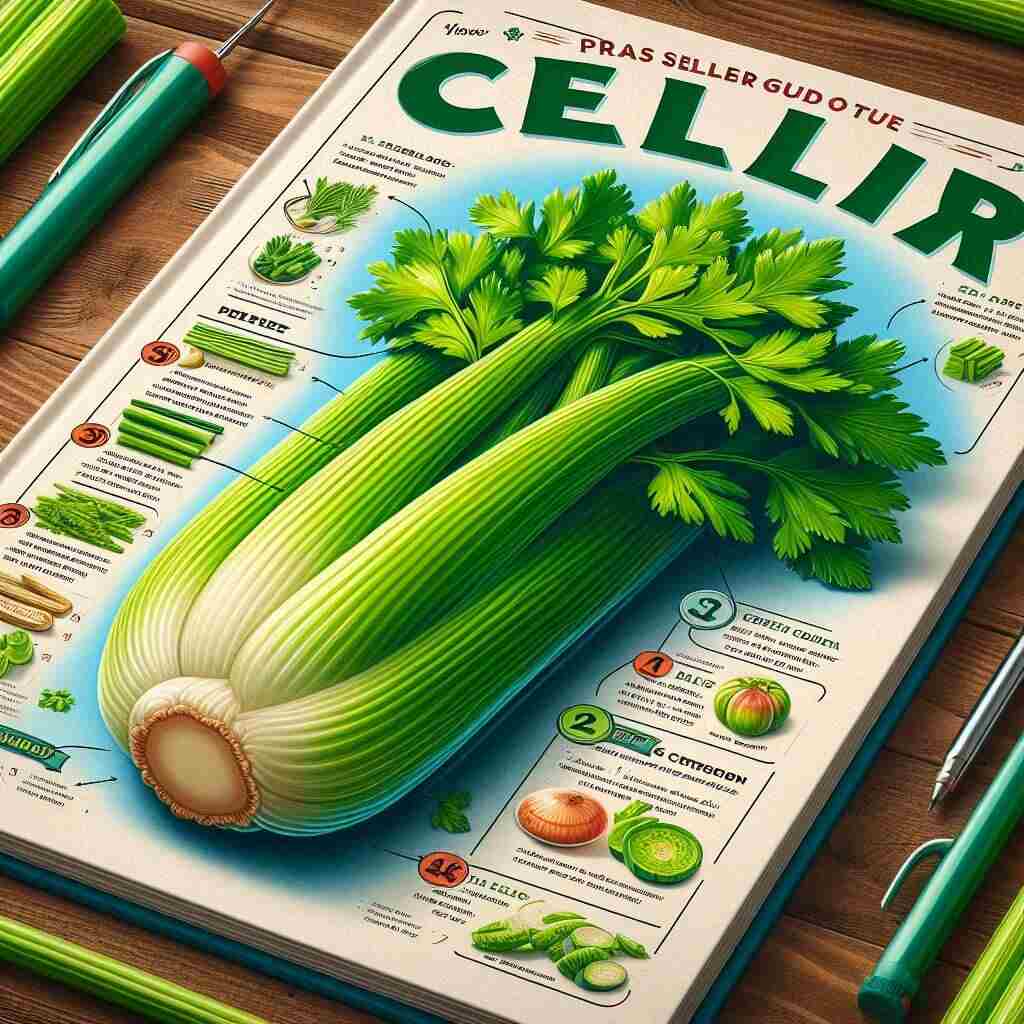
| Category | Facts and Figures |
|---|---|
| Common Name | Pravi Celer (True Celery) |
| Scientific Name | Apium graveolens |
| Plant Family | Apiaceae (same family as carrots, parsley, and fennel) |
| Plant Type | Biennial herb commonly grown as an annual vegetable |
| Average Plant Height | 30–60 cm (12–24 inches) |
| Water Content | Approximately 95% |
| Calories (per 100 g) | Around 16 calories |
| Fiber Content (per 100 g) | About 1.6 grams |
| Vitamin K (per 100 g) | About 29–35 micrograms |
| Vitamin C (per 100 g) | About 3–4 mg |
| Potassium (per 100 g) | About 260 mg |
| Folate (per 100 g) | Around 36 mcg |
| Growing Season | Typically 85–120 days from planting to harvest |
| Ideal Growing Temperature | 15–21°C (59–70°F) |
| Soil Requirement | Moist, fertile, well-drained soil rich in organic matter |
| Major Producing Countries | China, United States, Spain, Mexico, Italy |
| Global Production | Estimated over 27 million tons annually |
| Edible Parts | Stalks, leaves, seeds, and root (celeriac variety) |
| Culinary Uses | Soups, salads, stews, stocks, juices |
| Medicinal Components | Contains antioxidants, flavonoids, and phthalides |
| Shelf Life (Refrigerated) | Approximately 2–3 weeks when stored properly |
| Common Varieties | Pascal celery, Golden celery, Chinese celery, Celeriac |
| Traditional Uses | Digestive aid, anti-inflammatory remedy, mild diuretic |
| Popular Diet Trend | Celery juice detox and low-calorie diet ingredient |
Understanding Pravi Celer
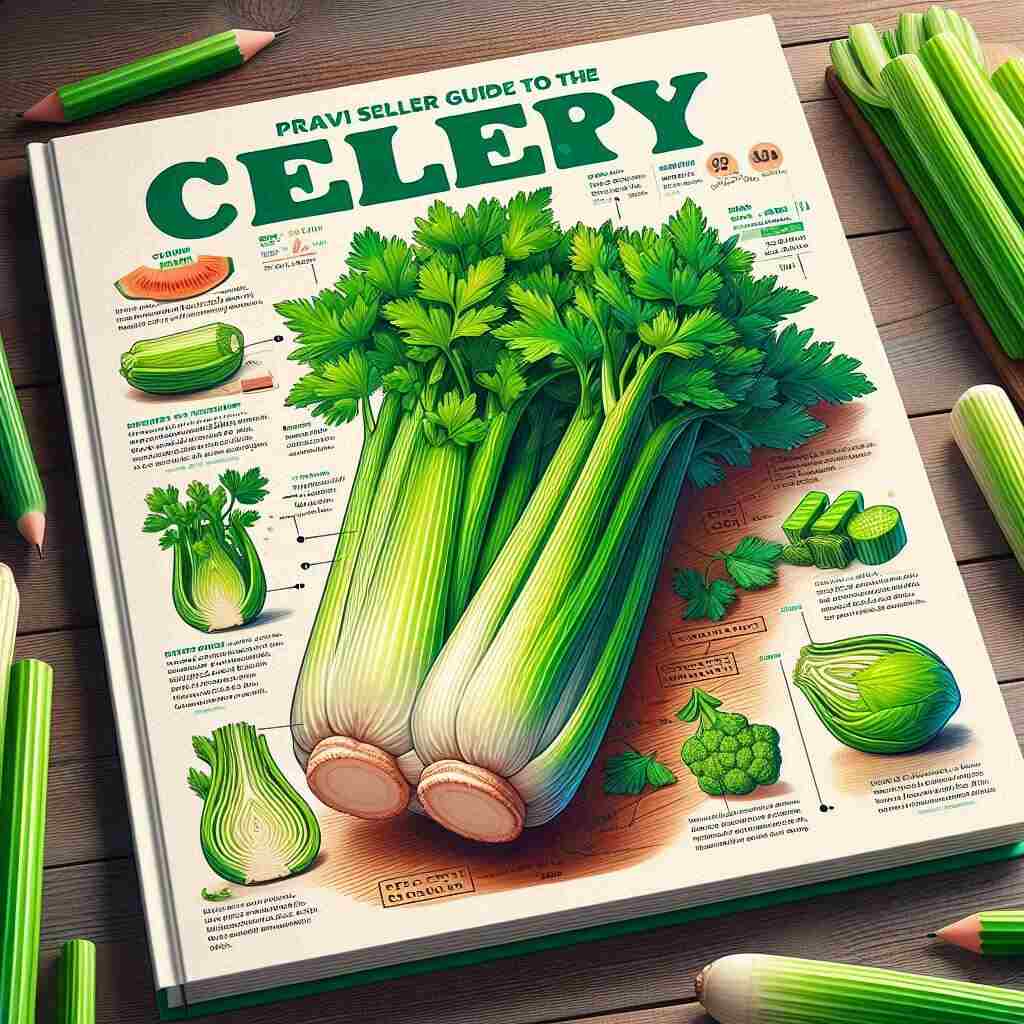
What Does “Pravi Celer” Mean?
The term pravi celer comes from Slavic languages, where it literally means “real” or “true celery.” It refers to the authentic celery plant widely used in cooking and herbal remedies.
In everyday language, the term helps distinguish traditional celery from similar plants or processed celery products.
Think of it like the difference between fresh orange juice and bottled orange flavoring. One is natural and complete; the other is only a fragment of the original.
Pravi celer represents the whole plant in its natural form.
Origins and Historical Background
Celery has an ancient story. Archaeological evidence suggests that wild celery grew around the Meditarian region thousands of years ago.
Ancient civilizations used celery differently:
- Egyptians used it in ceremonial garlands.
- Greeks used celery leaves to crown athletes.
- Romans included it in cooking and medicine.
Over time, farmers began cultivating specific varieties with thicker stalks and milder flavors. These eventually evolved into the celery we recognize today.
Pravi celer represents the traditional cultivated plant, widely used in European and Balkan cuisine.
Botanical Overview of Pravi Celer

Scientific Classification
Pravi celer belongs to a plant family that includes carrots and parsley.
| Category | Classification |
|---|---|
| Kingdom | Plantae |
| Family | Apiaceae |
| Genus | Apium |
| Species | Apium graveolens |
| Common Name | Celery |
Plants in the Apiaceae family share several characteristics:
- Aromatic leaves
- Hollow stems
- Umbrella-shaped flower clusters
These features help botanists easily identify celery plants.
Physical Characteristics of the Plant
Pravi celer has several distinctive traits.
Key characteristics include:
- Long green stalks
- Feather-like leaves
- Crisp texture
- Strong herbal aroma
The plant typically grows between 30 and 60 centimeters tall.
When fully mature, celery produces tiny white flowers arranged in umbrella-like clusters. These flowers eventually produce seeds often used as a spice.
Nutritional Value of Pravi Celer

Vitamins and Minerals
Pravi celer may look simple, but nutritionally it is surprisingly rich.
| Nutrient | Benefit |
|---|---|
| Vitamin K | Supports blood clotting and bone health |
| Vitamin C | Strengthens the immune system |
| Potassium | Helps regulate blood pressure |
| Folate | Important for cell growth |
| Fiber | Supports digestion |
These nutrients combine to make celery a low-calorie but nutrient-dense vegetable.
Caloric Value and Macronutrients
One of the reasons celery became famous in diet culture is its extremely low calorie count.
| Serving Size | Calories | Fiber | Water Content |
|---|---|---|---|
| 100 g celery | ~16 calories | 1.6 g | ~95% |
In simple terms, celery is mostly water. That’s why it feels crisp and refreshing.
Think of it as nature’s crunchy hydration stick.
Health Benefits of Pravi Celer
Heart Health Benefits
One of the most studied benefits of celery relates to cardiovascular health.
Celery contains compounds called phthalides, which may help relax blood vessel walls. When blood vessels relax, blood pressure can decrease.
Regular consumption may contribute to:
- Improved circulation
- Lower blood pressure
- Reduced cholesterol levels
In a balanced diet, celery acts like a small maintenance tool for the heart.
Digestive System Support
Fiber plays a crucial role in digestive health, and celery provides a gentle source of it.
Benefits include:
- Better digestion
- Prevention of constipation
- Support for gut bacteria
Celery also contains natural water and fiber combinations that help food move smoothly through the digestive system.
Imagine the digestive tract as a highway. Fiber acts like traffic control, preventing congestion.
Anti-Inflammatory Properties
Celery contains several antioxidants:
- Flavonoids
- Vitamin C
- Beta carotene
These compounds help combat oxidative stress, a process linked to aging and chronic diseases.
Research suggests that regular consumption may support the body’s ability to reduce inflammation naturally.
Pravi Celer in Traditional Medicine
Ancient Herbal Uses
Long before modern pharmaceuticals existed, celery served as a natural remedy.
Traditional uses included:
- Digestive tonic
- Anti-bloating treatment
- Mild diuretic
- Joint pain relief
Herbal practitioners believed celery helped cleanse the body and improve circulation.
While modern science continues to examine these claims, many cultures still rely on celery-based remedies.
Modern Herbal Practices
Today celery appears in several natural health products:
- Celery seed supplements
- Detox juices
- Herbal teas
Celery seeds are especially valued for their concentrated medicinal compounds.
However, natural remedies should always be used responsibly.
Culinary Uses of Pravi Celer
Popular Dishes Using Pravi Celer
Celery is one of those ingredients that quietly supports the entire dish.
Common culinary uses include:
- Soups
- Stews
- Salads
- Stir-fries
- Vegetable stocks
In many European kitchens, celery forms part of a flavor base along with onions and carrots.
This trio acts like the foundation of a house, supporting the entire flavor structure of the meal.
Cooking Tips and Flavor Pairings
Celery pairs well with several ingredients.
Examples include:
- Chicken
- Potatoes
- Tomatoes
- Garlic
- Herbs like thyme and parsley
Cooking techniques vary:
- Raw for salads
- Sauteed for sauces
- Simmered for soups
Each method changes celery’s texture and intensity.
Growing Pravi Celer at Home
Ideal Climate and Soil
Celery grows best in cool climates with moist soil.
Ideal conditions include:
- Temperatures between 15–21°C
- Rich organic soil
- Consistent watering
Unlike some vegetables, celery requires steady moisture to develop crisp stalks.
Dry soil can produce tough, bitter celery.
Planting and Maintenance
Growing celery requires patience.
Steps include:
- Start seeds indoors
- Transplant seedlings after several weeks
- Maintain consistent watering
- Add compost regularly
The plant takes around 3–4 months to mature.
Gardeners often describe celery as a slow but rewarding crop.
Harvesting and Storage
When to Harvest
Celery can be harvested once the stalks reach about 20–25 centimeters.
Farmers usually cut the entire plant at the base.
Some gardeners harvest outer stalks individually, allowing the plant to keep growing.
Proper Storage Techniques
Fresh celery stays crisp when stored correctly.
Storage tips:
- Wrap in aluminum foil
- Keep in refrigerator vegetable drawer
- Store away from fruits like apples
Properly stored celery can remain fresh for 2–3 weeks.
Common Varieties Related to Pravi Celer
Several celery varieties exist, including:
| Variety | Description |
|---|---|
| Pascal celery | Thick green stalks |
| Golden celery | Mild flavor |
| Celeriac | Root celery variety |
| Chinese celery | Strong aroma |
Each type has different culinary and agricultural uses.
Potential Side Effects and Precautions
Although celery is healthy, certain precautions exist.
Possible issues include:
- Allergic reactions
- Sensitivity to celery seeds
- Interaction with some medications
Celery also contains natural compounds that can increase sun sensitivity in rare cases.
Moderation remains the key principle.
Economic and Agricultural Importance
Celery is an important agricultural crop worldwide.
Major producers include:
- China
- United States
- Spain
- Mexico
The global celery market contributes billions of dollars annually.
Beyond food production, celery also supports:
- Farming communities
- Export industries
- Food processing companies
Sustainability and Environmental Impact
Compared to many crops, celery has a moderate environmental footprint.
However, water usage remains a concern in some regions.
Sustainable practices include:
- drip irrigation
- organic farming
- soil conservation
These approaches help maintain production without damaging ecosystems.
Pravi Celer in Modern Diet Trends
Modern nutrition trends have rediscovered celery.
Popular uses include:
- Green detox juices 🥤
- Weight-loss diets
- Plant-based cooking
Social media helped transform celery juice into a wellness trend.
While some claims may be exaggerated, celery remains genuinely nutritious and beneficial.
Conclusion
Pravi celer represents far more than a simple vegetable. It stands as a bridge between ancient tradition and modern nutrition.
From its roots in Mediterranean history to its role in contemporary diets, celery continues to prove its value.
It nourishes the body, enhances food, and supports agriculture around the world. 🌱
Sometimes the most powerful ingredients are the ones we overlook.
Pravi celer is a perfect example.
FAQs
1. What is pravi celer?
Pravi celer refers to the traditional celery plant commonly used in cooking and herbal remedies.
2. Is pravi celer the same as regular celery?
Yes, it typically refers to the natural, whole celery plant rather than processed celery products.
3. What nutrients does celery contain?
Celery provides vitamin K, vitamin C, potassium, folate, and fiber.
4. Can celery help with weight loss?
Its low calorie content and high water content make it useful in weight-management diets.
5. Is celery juice healthy?
Celery juice provides hydration and nutrients, though it should complement a balanced diet.
6. Can celery be grown at home?
Yes. With moist soil and moderate temperatures, celery grows well in home gardens.
7. What part of celery is edible?
Stalks, leaves, and seeds can all be consumed.
8. Are there different types of celery?
Yes, including Pascal celery, golden celery, celeriac, and Chinese celery.
9. Can celery cause allergies?
Yes, though celery allergies are relatively uncommon.
10. How long does celery stay fresh?
When refrigerated properly, celery can stay fresh for up to three weeks.