How to Build Credit With No Credit History (Beginner’s Complete Guide)
If you have no credit history, you are not alone. Many people start their financial journey with zero credit. This usually happens when you are young, new to a country, or you have always used cash. The good news is you can build credit from scratch if you follow the right steps.
In today’s world, credit is very important. Banks, lenders, landlords, and even some employers check your credit. If you do not have credit, they may see you as risky. But do not worry. You can start building credit even if you have never used a credit card or taken a loan before.

In this guide, you will learn what credit is, why it matters, and the best ways to build credit with no credit history. You will also learn what mistakes to avoid and how long it takes to build a good credit score.
What Is Credit and Why Does It Matter?
Credit shows how well you manage borrowed money. When you borrow money and pay it back on time, you build good credit. When you miss payments, you damage your credit.
Your credit activity creates a credit report. From this report, companies calculate your credit score. This score tells lenders how risky you are.
Good credit helps you:
- Get approved for loans
- Get lower interest rates
- Rent apartments easily
- Get better credit cards
- Sometimes get better job opportunities
If you have no credit history, lenders cannot see how you handle money. Because of this, they may reject your application.
Think of credit like trust. If nobody has seen you borrow and repay money, they cannot trust you yet. You must build that trust step by step.
Why You Might Have No Credit History
Many people have no credit history for normal reasons. This is not a bad thing.
You may have no credit if:
- You are a student
- You just turned 18 or 21
- You always used cash or debit cards
- You are new to a country
- You avoided credit cards because of the fear of debt
Some people think avoiding credit is smart. But the financial system often requires a credit history. So it is better to build credit carefully and responsibly.
How Credit Scores Work (Simple Explanation)
Credit scores depend on five main factors.
1. Payment History (Most Important)
This shows if you pay bills on time. Late payments hurt your score a lot.
2. Credit Utilization
This means how much credit you use. If your card limit is $1000, try to use less than $300.
3. Credit Age
Older accounts help your score. This is why you should not close your first credit card quickly.
4. Credit Mix
Having different types of credit helps. For example, credit cards plus small loans.
5. New Credit Applications
Too many applications in a short time can lower your score.
8 Proven Ways to Build Credit With No Credit History
Now let’s talk about the most important part. These methods work for beginners and people starting from zero.
1. Get a Secured Credit Card
This is the easiest way to start.
A secured credit card requires a deposit. For example, you deposit $200, and your credit limit becomes $200. The bank keeps your deposit as security.
How to use it correctly:
- Make small purchases
- Pay the full balance every month
- Never miss payments
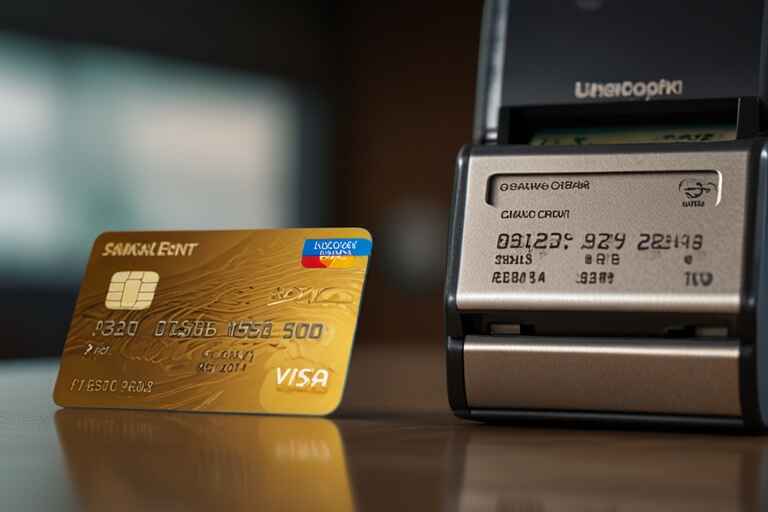
After some months, many banks upgrade you to a normal card.
2. Become an Authorized User
You can ask a family member to add you to their credit card.
If they have a good payment history, it helps you build credit faster.
Important tip:
Only do this if the person pays bills on time. If they miss payments, it can hurt your credit, too.
3. Use a Credit Builder Loan
A credit builder loan helps beginners.
How it works:
- The bank holds the loan money in a savings account
- You make monthly payments
- After finishing payments, you get the money
This builds payment history, which improves a credit score.
4. Apply for Student or Starter Credit Cards
Many banks offer beginner cards.
These cards:
- Have low limits
- It’s easier to get approved
- Help you start a credit history
Always read terms and avoid cards with very high fees.
5. Report Rent and Utility Payments
Some services report rent and utility payments to credit bureaus.
If you already pay rent and bills, you can use them to build credit.
This is helpful if you do not want a credit card immediately.
6. Use Buy Now Pay Later Carefully
Some payment services report payments to credit bureaus.
But be careful:
- Never miss payments
- Do not overuse these services
Use them only when needed.
7. Get a Small Personal Loan (If Possible)
If you qualify, a small loan can help build credit.
But only do this if:
- The interest rate is low
- Monthly payments are easy for you
Never take loans just to build credit if you cannot afford the payments.
8. Use Fintech Credit Apps
Some mobile apps help beginners build credit using small credit lines.
These apps are helpful if traditional banks reject you.
Always check fees and terms before signing up.
Mistakes to Avoid When Building Credit
Avoid these common mistakes.
Missing Payments
This is the worst mistake. Even one missed payment can hurt your score.
Using Too Much Credit
Try to stay below 30% of your credit limit.
Applying for Too Many Cards
Many applications in a short time look risky to lenders.
Closing Your First Credit Card Too Soon
Your first card helps build credit age.
Ignoring Credit Report Errors
Always check your credit report and fix mistakes quickly.
How Long Does It Take to Build Credit From Zero?
Building credit takes time, but you can see results step by step.
Typical timeline:
After 3 Months
You may start seeing credit activity.
After 6 Months
You can get your first credit score.
After 12 Months
You can reach a fair or average score.
After 24 Months
You can build a strong credit base.
Consistency matters more than speed.
How to Check Your Credit Score for Free
Many banks offer free credit score tracking.
You can also check through:
- Credit bureau websites
- Banking apps
- Finance apps
Check your score every month. This helps you track progress and catch problems early.
Simple 6-Month Credit Building Action Plan
Here is an easy plan to follow.
Month 1
- Apply for a secured credit card
- Make one small purchase
Month 2
- Use card for small monthly expense
- Pay full balance
Month 3
- Check credit score
- Continue small spending
Month 4
- Ask for a credit limit increase (if possible)
Month 5
- Keep credit usage low
- Make payments early
Month 6
- Consider a second credit line if the score improves
Final Thoughts: Start Building Credit Today
Building credit with no credit history is possible. You just need patience and smart habits.
Start small. Use credit carefully. Always pay on time. Over time, your credit score will grow.
Remember, credit is a tool. If you use it wisely, it can help you buy a home, get loans easily, and save money on interest.
The best time to start building credit is today. Even one small step can change your financial future.
FAQs
Can you build credit without a credit card?
Yes, you can build credit without a credit card. You can use credit builder loans, rent reporting services, or become an authorized user. These methods help create a payment history and improve your credit profile.
What is the fastest way to build credit from zero?
The fastest way is to get a secured credit card and pay the balance on time every month. Keeping usage low and making early payments helps increase your score more quickly over time.
Is having no credit better than bad credit?
Yes, no credit is usually better than bad credit. With no credit, lenders have no data. With bad credit, lenders see risk. It is easier to build from zero than repair poor credit.
How long does it take to get a credit score?
You can usually get a credit score after three to six months of credit activity. Making regular payments and keeping balances low helps you build a stable score faster over time.
What credit score do you start with?
You do not start with a credit score. Credit bureaus create your score after you use credit for some time. Your first score depends on payment history, usage, and account activity.
Can debit cards help build credit?
No, debit cards usually do not build credit because they use your own money, not borrowed money. A credit history requires borrowing money and repaying it on time consistently.
How many credit accounts should beginners have?
Beginners should start with one credit account, like a secured credit card. After six to twelve months of good payment history, you can consider adding another credit account safely.
Does checking your credit score lower it?
No, checking your own credit score does not lower it. This is called a soft check. Only hard checks, like loan or credit card applications, can slightly lower your score.
What is a good credit utilization ratio for beginners?
Beginners should keep credit usage below 30% of their total credit limit. For best results, try to stay below 10%. Lower usage shows lenders you manage credit responsibly.
Can late payments be removed from credit reports?
Sometimes, late payments can be removed if they are errors. You can dispute mistakes with credit bureaus. If payments are correct, they usually stay on reports for several years.