Why Every Independent Contractor Needs a Risk Management Strategy
Many contractors view insurance and taxes in the same light, necessary evils to only think about when getting work or filing returns. Unfortunately, this outlook can cause these contractors to lose out on projects, capital, and in some cases lose their business entirely.
However, risk management is not just about protecting your business. It can be used strategically, helping single contractors to outcompete larger firms, as well as developing the type of rapport that leads to recommendations without any advertising costs.

Insurance is a Sales Tool, Not Just a Safety Net
Here’s a little unknown fact for many contractors just starting out: a certificate of insurance can win you jobs that a lower bid will lose.
More and more general contractors and property managers are requiring a COI before a subcontractor will even be allowed on the job site. And they’re not just doing it for kicks, the COI is used as a filter. If a client has two potential subcontractors and one can hand over the necessary paperwork on the spot, while the other says, “Ummm, let me check and get back to you…” guess who just lost the gig.
The COI is an indicator of operational professionalism. It says to the GC that your performance won’t come back to haunt them in a lawsuit. That’s more valuable than cutting 8% off your bid. Especially in the commercial realm where that 8% quite possibly was already in consideration and not going to you.
The Small-Damage Problem That Isn’t Small
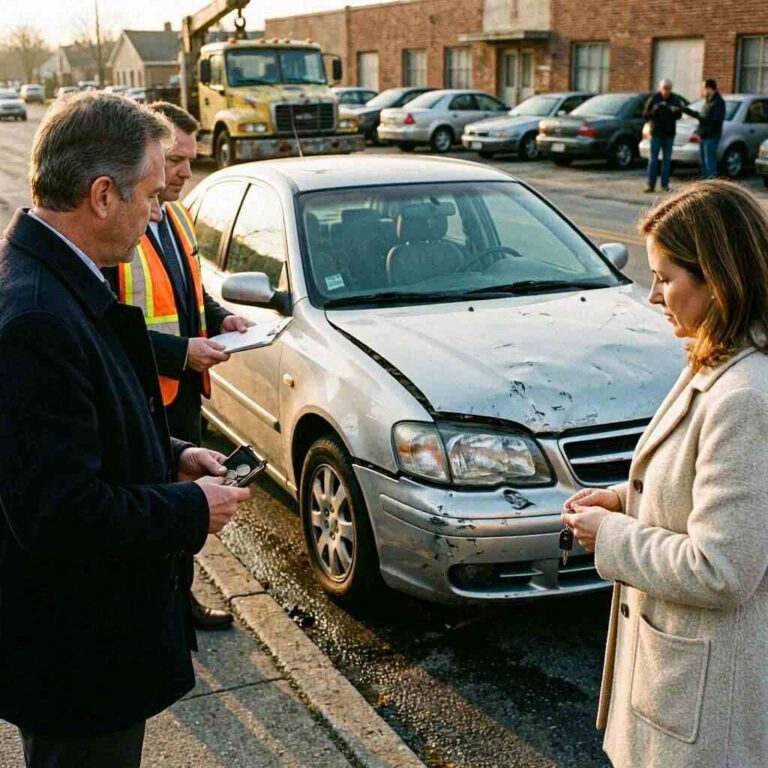
Contractors think about accidents as something that could be “serious” or no big deal.” The financial pain actually fits in right in the middle, minor property damage.
If you spill a bucket of industrial-grade paint on engineered hardwood flooring in a high-end kitchen renovation, you’re going to have a four-figure bill before the homeowner even calls a restoration company. Scratch a custom window frame. Crack a tile that’s been discontinued. These aren’t catastrophic events. They’re Tuesday.
Approximately 40% of small businesses experience a property or general liability claim within a ten-year period. The average cost of a slip-and-fall claim is $20,000 (Insurance Information Institute). One claim like that and your entire year’s profit as a solo contractor is out the window if you aren’t carry the necessary general liability.
Trade-specific risks compound this further. Paint contractors, for instance, face chemical damage, overspray exposure, and surface prep errors that play out differently than the risks a plumber or electrician faces. Getting a painting contractor insurance quote is a practical first step to understanding what annual risk management actually costs, which is almost always less than contractors assume.
Tools, Equipment, and the Coverage Gap Nobody Mentions
Many contractors believe that if something happens to their gear, their insurance has it covered. In reality, that’s unlikely to be the case.
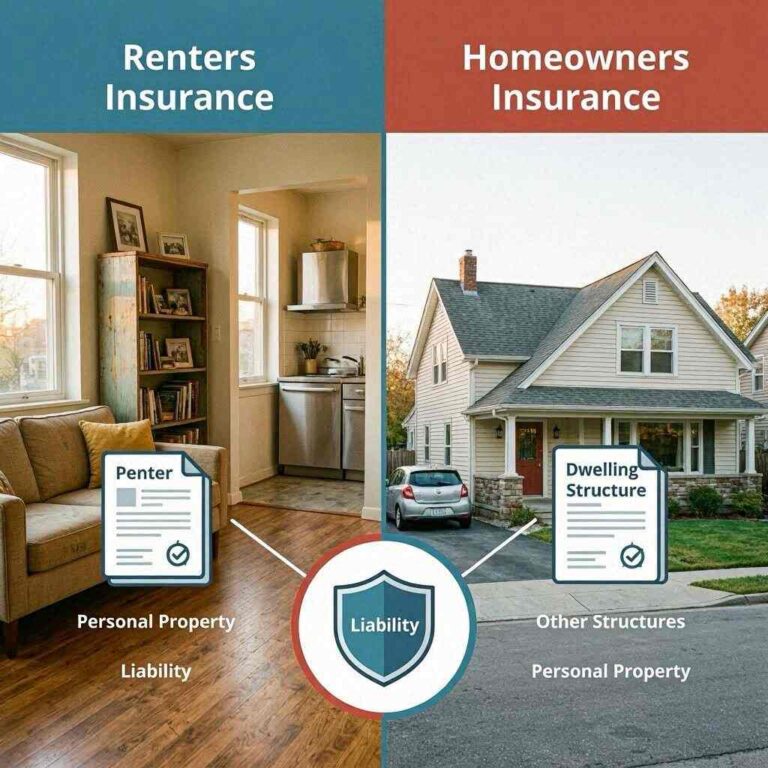
Domestic auto insurance doesn’t cover professional tools theft from a van. Homeowners won’t cover commercial equipment. And it’s not just a small loss to accept: Construction workers lose between $3000 and $4000 in tools each year. Sprayers, perhaps the most easily stolen gear on a job site, are a popular target. Tools left in an unlocked truck get taken in the night. It’s impossible to recoup those costs if they aren’t insured.
Creating a culture of insurance around tools starts with inland marine coverage, a business policy that protects goods in transit and on a temporary job site. Leaks, cuts and electrical surges that cause a tool to malfunction instead of getting stolen: That’s covered too. It’s a relatively small premium for the cost of a new set of professional tools. Fall behind on jobs while you scramble to replace what you lost, and the price of a policy seems smaller still.
Client Vetting is Risk Management Too
Rarely do we hear about this in insurance talk, yet it has its place here.
You can’t, and don’t want to, work for everyone. I bet you could easily list your red-flag clients right now, those with impossible timelines, the ones who don’t give you details to work with, people who’ve had disagreements with every contractor they’ve ever hired, and those who refuse to put pen to paper on paper. Wherever your pattern-recognition muscle is, trust it. Those clients predictably cause problems more than just about any other factor. A little counselor math indicates that if there are those you don’t want working for you, then vice versa might be true as well.
The contracts-protection discussion isn’t just about your rights if something goes wrong. Drafting new contracts establishes, in writing, how much the homeowner is responsible for. If they bristle at your language before you lift a finger on their behalf, you’ve just learned something important.
Safety Protocols Lower Costs and Create Paper Trails
OSHA compliance is the minimum requirement, not the maximum threshold. Construction companies that conduct documented pre-job safety meetings, often referred to as tailgate meetings, produce proof that reasonable care took place before anything went wrong.
That documentation is important for a couple reasons. Firstly, it serves as proof in your favor if there is a dispute or claim. Secondly, insurance companies underwrite risk based on what they can see. A contractor that has documentation of safety on a regular basis often pays less in insurance premiums than one with the same work history but no paperwork.
A good safety culture and cost management are not competing priorities. They are the same priority looked at from different perspectives.
Build the System Once, Benefit From it Always
Contractors who make it to twenty years aren’t usually the best at swinging a hammer, just the best at treating their business like a business. Risk management is your guardrail. Insurance, contracts, client screening, safety documentation, it all works together. The trick is getting it in place before you need it.